Swiss Chard and Potatoes (Blitva)

0

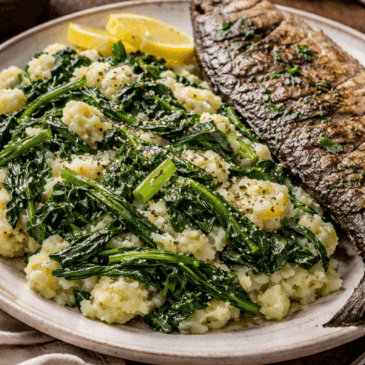
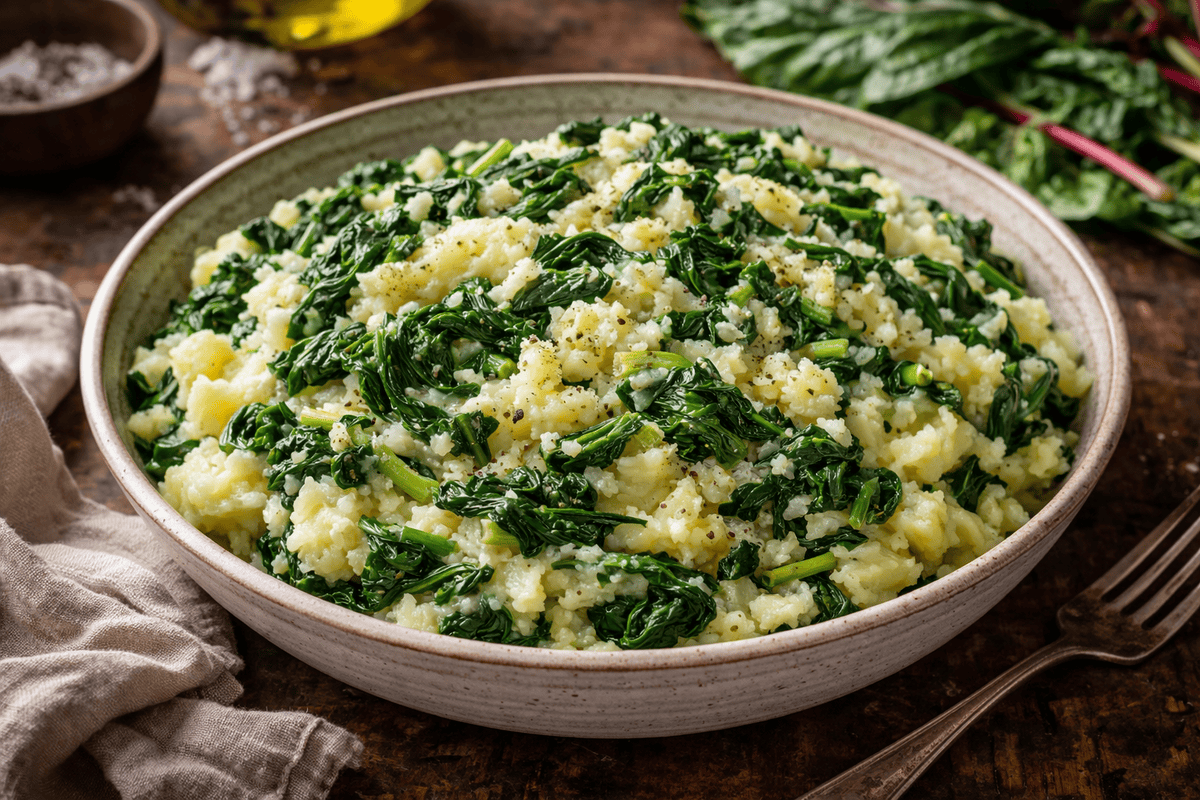
This Swiss Chard and Potatoes, or Blitva, is one of those beautifully simple dishes that can say so much with just a few humble ingredients. Soft potatoes, tender Swiss chard, plenty of olive oil, and garlic come together in a way that feels both rustic and deeply comforting. If you love recipes that are simple, nourishing, and full of old-world flavour, this is such a special one to make. It is the kind of side dish that quietly steals the whole plate, especially next to grilled fish.
Swiss Chard and Potatoes (Blitva)

Note from Ana

I grew up on the coast of the Adriatic Sea, and Swiss Chard and Potatoes, or Blitva, is a true staple in our cuisine. And when I say staple, I really mean it. It is the kind of dish everyone knows, everyone makes, and everyone eats regularly. People grow Swiss chard in their gardens, and blitva shows up on the table at least once a week, often without anyone even thinking twice about it. It is just part of life, part of home, part of the rhythm of coastal cooking.

If you ever visit Croatia — lucky you — especially the coast, Dalmatia, or beautiful Dubrovnik, you will see blitva on restaurant menus everywhere, usually paired with some kind of fish. And by usually, I really mean always. It is one of those classic combinations that just makes perfect sense. So if you ever see it on a menu, please do not skip ordering it. It may sound simple, but that is exactly where its magic is. Good olive oil, garlic, tender greens, soft potatoes, and fresh fish on the side, that is the kind of food that stays with you.

This is one of those dishes that instantly takes me back. It reminds me of family meals, seaside lunches, and the kind of cooking that never needed to impress anyone because it was already perfect in its own quiet way. It is simple, nourishing, and full of flavour in that honest Mediterranean way I will always love.

And now, living in Australia, blitva is still very much a staple in my kitchen. We even grow Swiss chard in our little garden. Yep, we have lettuce, strawberries, basil, and lots of Swiss chard. Nothing else. Priorities. Clearly, we know what matters.

My family loves this dish because it is so simple and so good. The potatoes make it soft and comforting, the Swiss chard brings that lovely slightly earthy freshness, and the garlic and olive oil tie everything together in the most beautiful way. It is humble food, but in the best possible sense. The kind of food that does not need much explaining once you taste it.

For me, blitva is more than a side dish. It is a piece of home that made its way with me from the Adriatic to Australia, and I honestly do not think I will ever get tired of it.

All the best,

Ana

P.S. If you are tired of wondering what to make for dinner every single day, I would love to help. Join Five Dinners, my free newsletter where, every weekday, I send a dinner idea, simple side suggestions when needed, and little meal-planning tips to help you make the most of each recipe and make dinner feel easier.

Why you’ll love this recipe

Main ingredients:
This recipe is made with just a few beautiful, humble ingredients; potatoes, Swiss chard, garlic, and good olive oil. It is the kind of simple food that proves you do not need much to make something truly delicious and full of character.

How it’s made:
The potatoes are cooked until tender, then the Swiss chard is added and gently wilted before everything is finished with warm olive oil and garlic. It is a very simple process, but it creates one of those lovely side dishes that feels rustic, wholesome, and deeply satisfying.

Flavours:
Blitva is soft, garlicky, and full of gentle Mediterranean flavour. The potatoes make it comforting, the Swiss chard brings freshness and a little earthy depth, and the olive oil ties it all together in the most beautiful way. It is the kind of dish that feels simple, honest, and quietly special,  like something that belongs at a family table by the sea.
Swiss Chard and Potatoes (Blitva)

How to serve

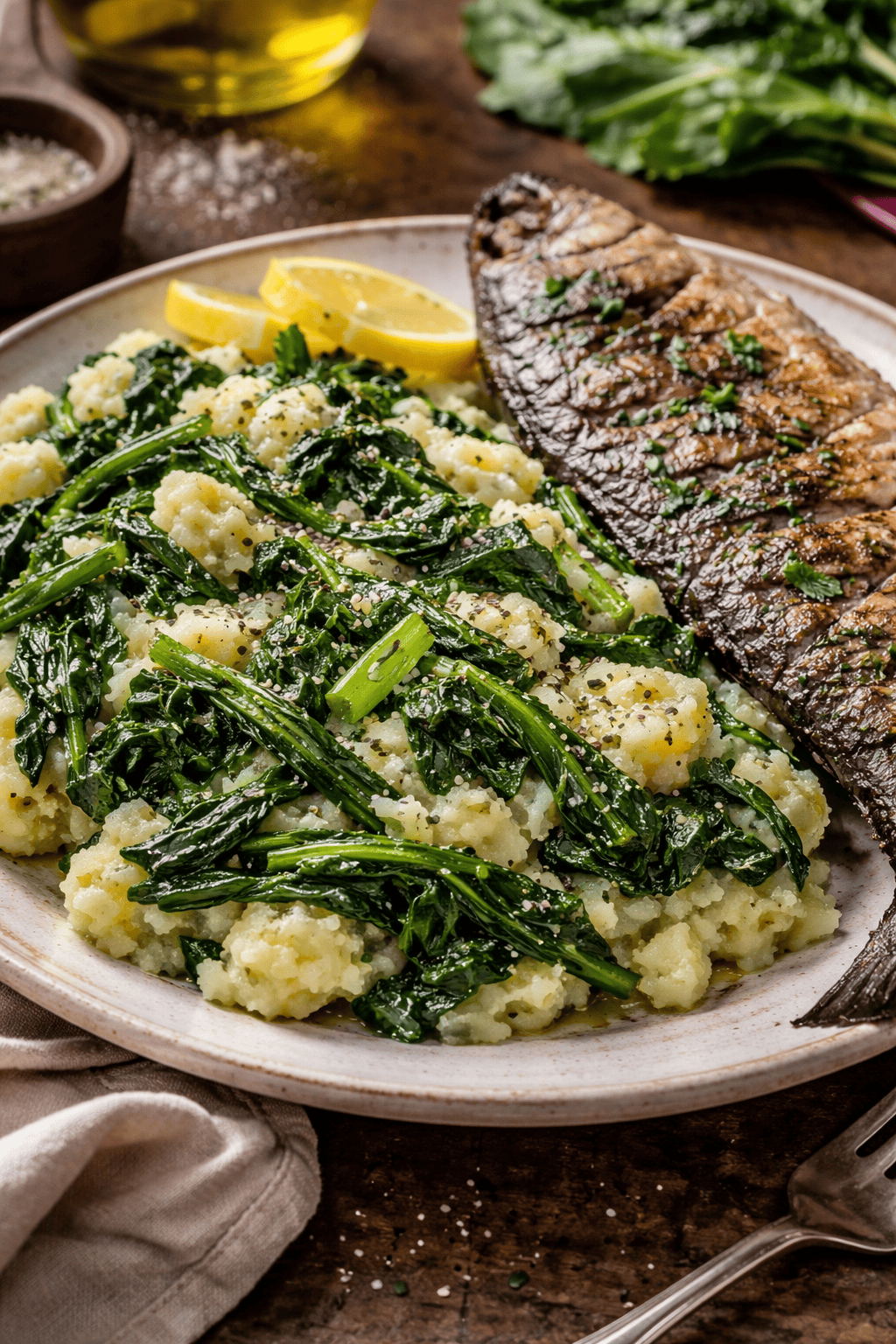
Serve blitva warm, with plenty of good olive oil, as a side dish next to grilled fish if you want the most classic and traditional pairing. It is especially lovely with whole grilled fish, baked fish fillets, or even simple pan-fried fish. At home, I also serve it with other seafood, grilled chicken, or roasted meat when I want something hearty but still fresh on the plate. If you are putting together more of a Mediterranean-style meal, add a simple tomato salad, a few olives, and some crusty bread on the side. It is one of those dishes that fits in so easily, but somehow always makes the whole meal feel better.

Tips for Success

  • The first tip is to not overcook the Swiss chard. You want it soft and tender, but still bright and full of life. If it cooks for too long, it can lose that lovely fresh flavour and turn a bit dull. Just a few minutes is enough once it goes into the pot.
  • Make sure the potatoes are fully cooked first before adding the chard. They should be fork-tender and soft enough to gently break apart a little when tossed later. That soft texture is part of what makes blitva so comforting and gives the dish its lovely, rustic feel.
  • Another important little detail is to drain well, but not too much. Leaving just a small amount of the cooking water behind helps create that light, slightly brothy texture that is so typical of this dish. You do not want it swimming, just moist and glossy.
  • When making the garlic oil, keep the heat gentle. Garlic can go from fragrant to burnt very quickly, and burnt garlic will make the whole dish taste bitter. You want the oil to warm slowly and the garlic to soften and perfume the oil, not brown aggressively.
  • Use good olive oil if you can, because in a simple recipe like this, every ingredient really matters. The olive oil is not just there for cooking, it is a big part of the flavour, so this is the time to use the nice one.
  • And finally, season it properly. Potatoes need salt, Swiss chard loves olive oil and garlic, and a little black pepper at the end brings everything together beautifully. It is a very simple dish, but when each little step is done with care, it tastes like something truly special.

Substitutions & Variations

  • This is such a simple, beautiful dish, and there are a few easy ways to adjust it depending on what you have at home. If you cannot find Swiss chard, you can use silverbeet, which is actually what many people call it in Australia, or swap it for spinach, kale, or even beet greens. The flavour will change a little, but the dish will still be lovely and very much in the same spirit.
  • For the potatoes, any good all-rounder potato works well here. If you want a softer, more rustic texture, go for a floury potato. If you want the pieces to hold their shape more clearly, use a waxier one. Both work — it just depends on the feel you want in the final dish.
  • You can also adjust the garlic to your taste. I love it nice and garlicky, but if you prefer something milder, simply use less. And if you are a true garlic lover, a little extra will not hurt anyone. Probably.
  • For the olive oil, I really recommend using extra virgin olive oil for the best flavour, but if you want a lighter taste, you can reduce the amount slightly. That said, olive oil is a big part of what makes blitva taste like blitva, so I would not skip it.
  • If you want to make it a little more filling or turn it into more of a main dish, you can add white beans or serve it topped with a piece of grilled fish, which is the most classic option. It is also lovely with grilled calamari or other simple seafood dishes.
  • Some families also like to mash the potatoes a little more into the greens, while others prefer everything tossed more gently with visible chunks. Both are completely right. It is really one of those dishes that changes a little from kitchen to kitchen, and that is part of its charm.
  • And if you want to add a tiny fresh finish, a squeeze of lemon juice right before serving can be lovely, especially if you are serving it with fish. It brightens everything up in such a simple, beautiful way.

Storage, Reheating & Freezer Tips

Blitva stores surprisingly well, which is lovely because it means you can enjoy a little taste of the Adriatic the next day too. Once it has cooled, keep it in an airtight container in the fridge for up to 3 days. The flavours settle in beautifully, and it reheats very nicely for an easy lunch or side dish the next day.

To reheat, warm it gently on the stovetop over low heat or in the microwave until heated through. If it looks a little dry, add a small splash of water and a drizzle of olive oil to bring it back to life. I also like to taste it again before serving, because sometimes potatoes need a tiny extra pinch of salt after sitting in the fridge.

You can freeze the finished dish, but the potatoes may change texture a little once thawed. They can become a bit softer and less fluffy, so I think blitva is at its best fresh or from the fridge within a couple of days. Still, if you do want to freeze leftovers, let everything cool completely, then transfer to a freezer-safe container and freeze for up to 2 months. Thaw in the fridge overnight and reheat gently on the stove with a splash of water and a little extra olive oil.

A much better freezer option is to freeze the Swiss chard on its own, especially if you have a lot from the garden. To do that, wash it really well, remove any tough stems, and chop the leaves. Bring a big pot of water to a boil, add the chard, and blanch it for about 1 to 2 minutes, just until wilted and bright green. Then drain it and transfer it straight into a bowl of very cold water or ice water to stop the cooking. Squeeze out as much water as you can, then pack it into freezer bags or containers in portions and freeze for up to 3 months.

When you are ready to use frozen blanched Swiss chard, you do not need to thaw it fully first. You can add it straight to the pot once the potatoes are nearly cooked, or thaw it quickly and squeeze out any extra water before mixing it in. Because it has already been blanched, it only needs a few minutes to heat through. From there, just finish the dish the usual way with the warm garlic and olive oil.

It is such a handy little trick, especially if your garden suddenly decides to give you more Swiss chard than any normal family should reasonably be expected to eat in one week.

Swiss Chard and Potatoes (Blitva)

Blitva - Croatian Swiss Chard and Potatoes

Blitva is a simple, wholesome dish hailing from the beautiful coastal regions of the Balkans, especially popular in Croatia and Montenegro. The name “Blitva” might sound exotic, but its ingredients are delightfully humble, consisting mainly of Swiss chard (also known as blitva) and potatoes.
Prep Time 20 minutes
Cook Time 25 minutes
Total Time 45 minutes
Course Side Dish
Cuisine Croatian
Servings 4

Ingredients
  

  • 1 kg potatoes peeled and cubed
  • 1 kg Swiss chard
  • 4 cloves gallic minced
  • 1/3 cup extra virgin olive oil
  • salt to taste
  • black pepper to taste

Instructions
 

  • Prepare the potatoes: Peel and cut the potatoes into 1-inch pieces. Put them in a large pot and fill it with water just until the potatoes are covered. Bring to a boil and then reduce to a simmer. Cook until the potatoes are fork-tender, about 15-20 minutes.
  • Prepare the Swiss chard: While the potatoes are cooking, rinse the Swiss chard thoroughly. Remove the tough stems and chop the leaves into 1-inch wide strips.
  • Cook the Swiss chard: Once the potatoes are done, add the Swiss chard to the same pot. Cover and cook for about 5 minutes, or until the chard is wilted. Drain well, leaving a small amount of water with the vegetables. This will give a slight broth which is typical for the dish.
  • Add the garlic and olive oil: In a small saucepan, heat the olive oil over medium heat. Add the minced garlic and cook until it's fragrant but not browned, about 1-2 minutes. Pour the garlic and oil over the potatoes and chard. Gently mash the potatoes with a fork until desired consistency. 
  • Season and serve: Season with salt and pepper to taste. Toss everything together gently and serve warm.
  • Dobar tek!

Notes

Cleaning Swiss chard: To clean Swiss chard, first remove the stems by holding the chard at the stem and stripping the leaves with your other hand, or by using a knife to cut along the stem. Rinse the leaves in a large bowl of cool water, gently agitating them with your hands to remove any dirt or grit. Rather than draining the water, lift the leaves out, leaving the dirt behind. Repeat this process with fresh water until no more dirt comes off the leaves, usually after two or three rinses. Once clean, pat the leaves dry with a towel or use a salad spinner to remove excess water, leaving them slightly damp. You can then chop the leaves to your preferred size for your dish. If you want to use the stems, they need longer cooking time. Chop them into small pieces and sauté them before adding the leaves.

Author

  • Welcome to my culinary haven! My name is Ana, and I'm the passionate voice behind World Cuisines Network. Here, I share recipes that have not only won the approval of my family but have also stood the test of time in our kitchen. My goal is to introduce the rich tapestry of global flavors right to your family table. Thank you for dropping in! We're thrilled to have you join us.

    View all posts
Follow Ana:
Welcome to my culinary haven! My name is Ana, and I'm the passionate voice behind World Cuisines Network. Here, I share recipes that have not only won the approval of my family but have also stood the test of time in our kitchen. My goal is to introduce the rich tapestry of global flavors right to your family table. Thank you for dropping in! We're thrilled to have you join us.
Latest posts from

Leave a Reply